16 November 2026
What Happens When You Delay Gutter Cleaning in Hackettstown
Presented by @codyqkxi092
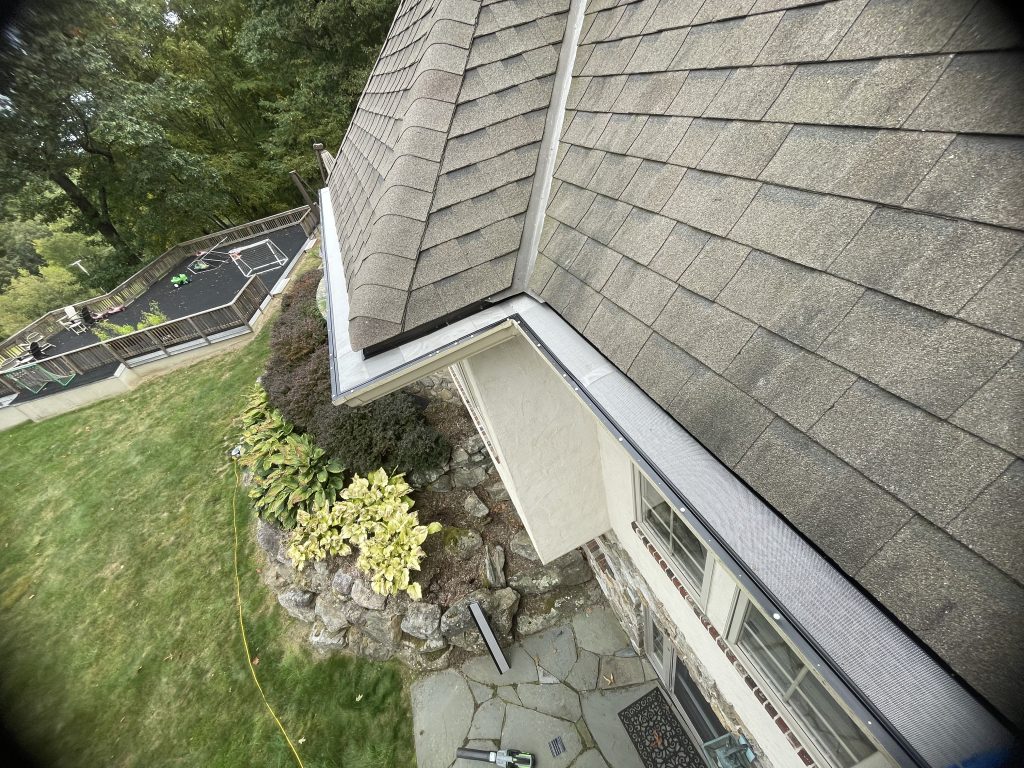
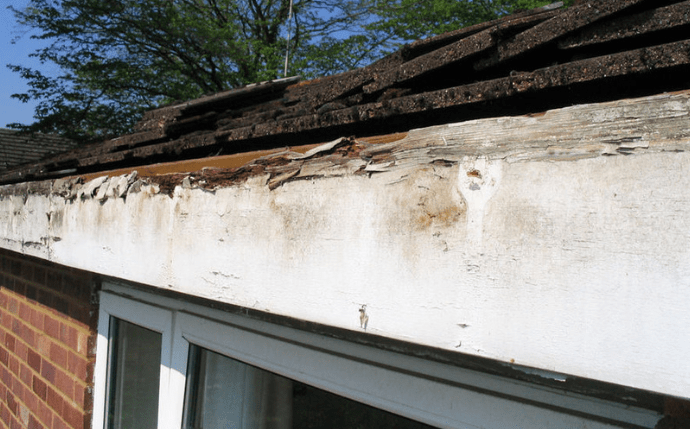
Hackettstown has the kind of weather that exposes every weak point in a home’s exterior. Spring brings heavy rain, summer pushes leaves, seed pods, and grit into every channel, fall fills gutters fast, and winter turns standing water into ice. Gutters sit right in the middle of that cycle. When they are doing their job, nobody thinks much about them. When they are neglected, they start a chain reaction that reaches the roofline, siding, foundation, landscaping, and even the inside of the house.
That is the part many homeowners underestimate. Delaying gutter cleaning rarely creates one dramatic failure overnight. More often, it creates a series of small, expensive problems that build over months. A gutter packed with wet leaves does not just look untidy. It traps water, adds weight, blocks drainage, and forces rain to go where it should never go. In a place like Hackettstown, where mature trees and seasonal weather are part of everyday life, that delay gets costly faster than most people expect.
The first thing that changes is water flow
A gutter system is simple by design. It catches runoff from the roof and moves it through downspouts away from the house. The system depends on open channels, proper pitch, and clear exits. Once debris starts collecting, that clean flow slows down. Water begins to pool instead of move. At first, the signs can be subtle. You might notice water spilling over one corner during a hard rain, or a downspout that drips long after the storm passes.
That overflow is not harmless. Water is persistent. If it cannot travel through the gutter, it will find another route. It may pour over the front edge and soak the mulch beds below. It may run behind the gutter and down the fascia board. It may fan out over walkways and steps. In some cases, it sheets down siding and finds gaps around trim, windows, or foundation seams.
I have seen homeowners assume this is only a problem in major storms. It is often worse in ordinary rain because that is when the issue goes unnoticed. A huge thunderstorm gets your attention. Three weeks of moderate rainfall quietly washing against the wrong surfaces does more hidden damage than people realize.
Debris gets heavier than it looks
Dry leaves seem light when they are scattered across a yard. Inside a gutter, mixed with shingle granules, twigs, dirt, and standing water, they become a dense, muddy load. That weight matters. Gutters are attached to fascia boards with brackets or spikes, and while they are built to handle water, they are not meant to carry a soggy compost pile for months at a time.
As the load increases, fasteners begin to loosen. Sections can pull away from the roofline. Joints separate. The pitch changes, which means even the parts of the gutter that are not clogged stop draining correctly. Once sagging begins, the problem accelerates. Water collects in the low spots, creating more weight, more standing water, and more strain on the attachment points.
In Hackettstown neighborhoods with older homes, this is especially common. Houses that have already seen years of freeze-thaw cycles are less forgiving. Wood fascia may have softened from prior moisture exposure. Fasteners may not hold as tightly as they once did. What could have been solved with a straightforward cleaning ends up requiring section replacement, fascia repair, or full re-hanging.
Your roof edge takes the next hit
When gutters overflow or back up, the roof edge becomes vulnerable. Water can wick under shingles along the eaves. That does not always produce an obvious leak in the ceiling right away. Often, it starts by wetting the roof decking and fascia. Over time, wood swells, paint peels, and rot sets in.
This is one of the reasons delayed maintenance gets misdiagnosed. A homeowner may notice staining near the roofline or soft wood around the edge and assume the shingles have failed. Sometimes the shingles are fine. The real issue is that water had nowhere to go because the gutter was clogged and the drainage path was blocked.
Winter makes this risk sharper. If gutters are full when temperatures drop, standing water freezes. Ice expands, traps more water, and encourages ice dam formation along the eaves. Once that happens, melting snow on the upper roof can back up under the shingles. The result may show up indoors as damp insulation, ceiling spots, or peeling paint weeks later, long after the ice itself is gone.
Foundations rarely get blamed first, but they should
People tend to connect gutters with roof protection, and that is correct, but the foundation may be the bigger long-term concern. Gutters exist to control where water lands. If they fail, water falls right next to the house. That repeated saturation can overload the soil around the foundation.
The effects vary by property. On a flat lot, you may see pooling near the base of the home, soggy planting beds, or water creeping toward the basement wall. On a sloped lot, overflow can cut channels through the soil and wash away support around walkways or retaining edges. Either way, repeated exposure creates pressure where you do not want it.
In older basements around Warren County, even a small increase in exterior moisture can show up as dampness, musty smells, or minor seepage along the wall-floor joint. Homeowners sometimes spend money chasing interior waterproofing symptoms without fixing the exterior water management problem that started it. Clear gutters and properly functioning downspouts are part of basement protection, not an unrelated maintenance chore.
Siding, trim, and paint start wearing out early
Water overflowing from clogged gutters tends to strike the same places over and over. That repeated impact wears surfaces down. Painted trim begins to blister or peel. Wood swells and softens. Even durable siding can stain or develop algae streaks when it stays wet too often.
This becomes noticeable on front elevations where appearance matters most. A home can look older than it is simply because the roofline has been shedding dirty water down the siding. The stains are not just cosmetic. They often signal that moisture is staying where it should not.
One detail I have seen more than once is water running behind the gutter rather than over the front. Homeowners do not always spot it from the ground. The gutter appears present, so they assume it is working. Meanwhile, the fascia and soffit behind it stay wet. By the time anyone investigates, the wood may already need repair. That is an expensive outcome from a maintenance delay that seemed minor.
Landscaping pays the price too
Overflowing gutters can ruin carefully maintained beds and lawns. A concentrated stream of roof runoff is powerful enough to carve trenches into mulch, expose roots, flatten flowers, and splash dirt onto the house. Near entryways, it can create muddy zones that get tracked indoors. Around shrubs, it can oversaturate roots, particularly if https://beckettpwgx020.iamarrows.com/how-gutter-cleaning-in-hackettstown-protects-siding-and-landscaping one downspout or overflow point keeps dumping in the same spot.
In Hackettstown, where many homes have mature trees and established landscaping, this matters more than people think. Once erosion starts, it rarely fixes itself. Soil moves downhill, mulch washes away, and edging shifts. The repair may involve regrading, replacing plants, and restoring drainage paths, all because water was no longer being directed away from the home.
The same issue affects hardscapes. Water spilling over near patios, stoops, and sidewalks can undermine pavers or create slippery surfaces from algae growth. During colder months, repeated wetting and freezing adds stress to masonry and concrete. Those repairs are rarely cheap, and they often begin with a gutter issue that went unaddressed for a season too long.
Pests notice neglected gutters quickly
A clogged gutter is an inviting habitat. Wet debris holds moisture, traps organic matter, and creates shelter. Mosquitoes only need small amounts of standing water to breed. Birds pull material from gutters for nesting. Insects settle into damp debris. Rodents sometimes use overgrown rooflines and debris-filled corners as part of their travel path.
This is not always dramatic, but it is common. Once pests are active at the roofline, they get closer to attic vents, soffits, and small openings around the exterior. That raises the odds of a bigger problem. Homeowners often think of gutter cleaning as a drainage service, but it also removes the conditions that draw pests toward the house in the first place.
One practical point that gets overlooked is odor. Wet gutter debris can start to smell earthy and sour as it decomposes, especially in warmer weather. That is not usually the first complaint, but when it appears, it is a sign the material has been sitting too long and retaining too much moisture.
Winter in Hackettstown raises the stakes
If you delay gutter cleaning in a milder climate, the consequences can still be costly. In Hackettstown, winter changes the equation. Frozen debris and trapped water add weight and create structural stress. Ice can lock downspouts shut. Melting snow from the roof then has nowhere to drain. It spills over edges during the day, refreezes at night, and builds hazardous patches below.
That creates two distinct risks. The first is damage to the house. The second is safety around the property. Icy walkways beneath overflowing gutters can become slip hazards for residents, visitors, delivery drivers, and service crews. A relatively simple maintenance delay can become a liability issue.
The freeze-thaw cycle is hard on materials in general. Gutters that stay wet and clogged are much more likely to split at seams, deform under weight, or separate at connections after a cold season. Once spring arrives, the homeowner is not dealing with a cleaning anymore. They are shopping for repairs.
Small warning signs often get ignored
Most failing gutter systems offer clues before the damage becomes severe. The trouble is that many of those clues do not seem urgent when viewed one at a time. A little spillover during a storm. A plant bed that looks washed out. A dark streak on the siding. A downspout that trickles instead of draining cleanly. By themselves, each seems manageable. Taken together, they tell a clearer story.
A few signs deserve prompt attention:
- Water spilling over the sides during routine rain
- Gutters that sag or appear pulled away from the fascia
- Plants growing from accumulated debris
- Peeling paint or staining near the roofline
- Puddles forming close to the foundation after storms
When homeowners spot even two of these at the same time, there is usually already enough buildup to justify action. Waiting for a visible leak inside the house is the expensive way to confirm there is a problem.
Why delays happen in the first place
Most people do not postpone gutter cleaning because they do not care about maintenance. They delay it for familiar reasons. Life gets busy. The gutters are out of sight. The weather turns cold faster than expected. The house seems fine, so the task slides to next month. Then a season passes.
There is also a common assumption that gutter guards or screens mean the system no longer needs attention. Guards can reduce buildup, but they do not eliminate it. Fine debris still accumulates. Valleys on the roof still send granules and organic matter into the channels. Downspout openings can still clog. In wooded areas, especially around older neighborhoods with large deciduous trees, even guarded systems need periodic inspection.
Another reason for delay is uncertainty about what is normal. A homeowner may not know whether one overflowing corner means a full cleaning is needed, a pitch correction is needed, or a downspout is blocked below grade. That uncertainty leads to inaction. A professional inspection usually clarifies the issue quickly.
The cost gap between cleaning and repair is usually wide
Routine service feels optional until you compare it with repair work. Cleaning a typical residential gutter system is a maintenance expense. Replacing rotted fascia, rehanging sagging sections, repairing washed-out landscaping, or addressing basement moisture is a repair expense, and the difference can be significant.
The exact numbers vary by home size, roof complexity, height, and access, but the pattern is consistent. Cleaning is preventive. Repairs are corrective. Corrective work almost always costs more because it involves materials, labor, and secondary damage. Once water has affected multiple areas, costs stack. A homeowner may be dealing with gutter sections, trim carpentry, paint, drainage correction, and interior patching from one neglected system.
That is why local service providers often talk about timing as much as technique. With Gutter Cleaning Hackettstown homeowners are not just paying to remove leaves. They are paying to preserve the drainage path before weather multiplies the damage.
Homes with trees need a different level of attention
Not every property clogs at the same rate. A house with few overhanging trees and a simple roofline may need less frequent service than a house tucked beneath maples or oaks. Roof valleys also matter. They concentrate debris and send it to specific gutter sections at higher volume. If those sections are not cleared, clogs develop faster than homeowners expect.
Pine needles create a different problem from broad leaves. They mat together, trap grit, and can slip through some types of screens. Seed pods and flower litter from spring can build dense blockages at downspout entries. Shingle granules add weight and reduce flow. Each home has its own pattern, and once you know the pattern, maintenance becomes much easier to plan.
That is one of the practical benefits of working with a company familiar with the area. Local experience matters. Someone who regularly handles Gutter Cleaning Hackettstown properties can often predict which parts of the system will clog first, when seasonal cleanings are most important, and what warning signs suggest a minor blockage versus a developing structural issue.
The safest timing is before the system is visibly failing
Many homeowners wait until they can see a problem from the ground. That is understandable, but it is not ideal. By the time gutters are spilling dramatically or sagging, the system has already been under strain. Preventive timing works better, especially in a climate with clear seasonal shifts.
For most homes in this region, late spring and late fall are the key windows, though heavily wooded properties may need more attention. A post-storm inspection also makes sense if branches or unusual debris have hit the roofline. The goal is not constant service. It is keeping the system open before high-risk weather arrives.
Here is where professional judgment matters. A steep roof, second-story runs, power lines, unstable ground, or hidden damage can make homeowner cleaning unsafe. The task looks simple from below, but ladder work around wet debris is where many accidents happen. Even aside from safety, a proper service often includes checking fasteners, looking for separation at seams, testing flow through downspouts, and spotting early signs of wood damage that an untrained eye might miss.
Delaying turns maintenance into damage control
At its core, this issue is about timing. Gutters are one of those home systems that do not ask for much, but they punish neglect in very practical ways. Delay cleaning, and water stops moving correctly. Once water escapes the path designed for it, the damage spreads outward. First the gutters strain, then the roof edge, then the siding, soil, foundation, and surrounding surfaces. Add a Hackettstown winter, and the pressure rises fast.
That is why homeowners who stay ahead of gutter care usually spend less over time and deal with fewer surprises. They are not just keeping leaves out of a trough. They are protecting drainage, preserving structural materials, reducing the chance of leaks, and preventing water from collecting where it can do the most harm.
For anyone putting the job off until next season, it is worth remembering how quickly one clogged run can affect the rest of the property. What starts as a simple cleaning delay often ends as a repair list.
Just Gutters LLC
Address: 262 Main St, Hackettstown, NJ 07840
Phone number: +12013319454
FAQ About Gutter Cleaning Hackettstown
How much should a gutter clean cost?
Professional gutter cleaning typically costs between $163 and $333, with a national average of around $210 to $250 for a standard-sized home.
What months should you clean gutters?
You should clean your gutters twice a year—once in late autumn (November to December) and once in late spring (April to May).
Is it worth paying for gutter cleaning?
Yes, paying for gutter cleaning is worth it because it prevents thousands of dollars in water damage, roof leaks, and structural repairs.