16 November 2026
Gutter Cleaning Hackettstown: Practical Tips for Maintaining Your Exterior
Presented by @codyqkxi092
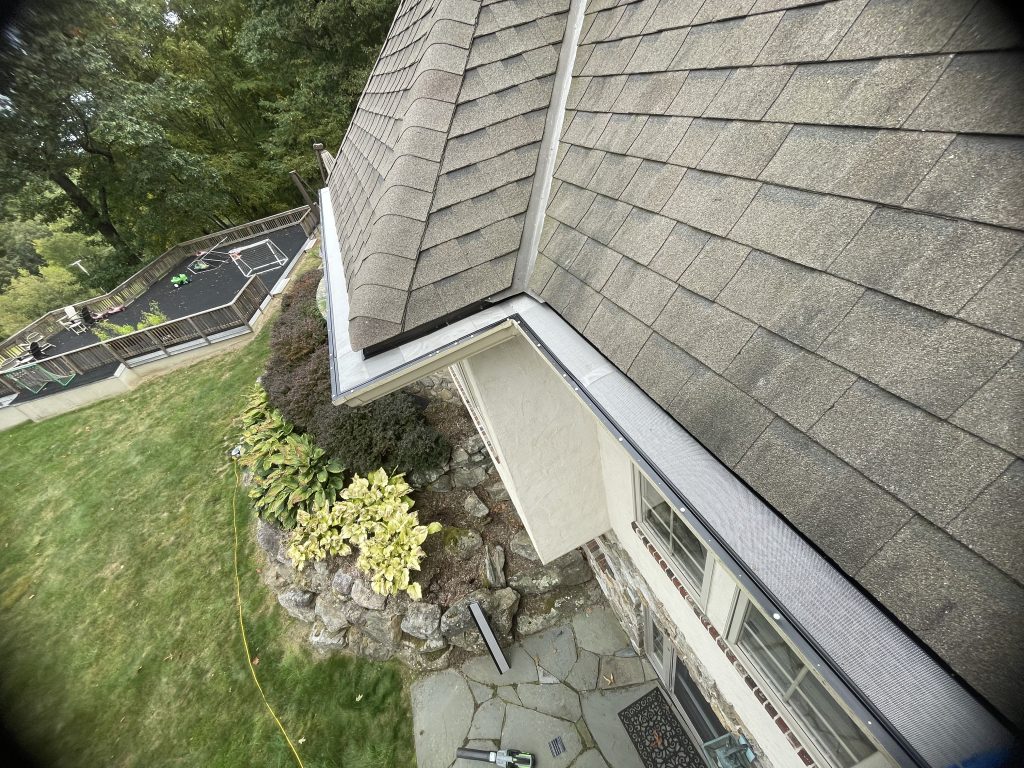
A house can have a solid roof, tight siding, and a well-built foundation, yet still take on avoidable water damage because of one neglected detail at the edge of the roofline. Gutters do quiet work. They collect runoff, guide it away from fascia boards and windows, and help protect the soil around the foundation from repeated saturation. When they clog, the damage often starts small. A drip line forms where there should not be one. Mulch shifts. Paint peels near the eaves. Then one hard storm exposes the real cost of neglect.
In Hackettstown, that pattern shows up often because the climate gives gutters a little bit of everything. Spring pollen mixes with seed pods. Summer storms test downspouts with fast, heavy runoff. Fall drops a steady load of leaves, especially in neighborhoods with mature trees. Winter adds freeze-thaw cycles that turn trapped debris and standing water into extra weight. If you own a home here, gutter maintenance is not cosmetic. It is part of protecting the exterior envelope.
The good news is that effective gutter care is not complicated. It does, however, require timing, attention, and a little judgment. Not every clogged gutter needs a ladder right away, and not every spotless-looking run is actually draining properly. The difference between a quick cleanout and a recurring problem usually comes down to understanding how the system behaves during real weather.
What clean gutters are actually doing for your home
Most homeowners think about gutters only when they overflow. By then, water has already started looking for another path. The proper path is simple enough: rain lands on the roof, flows into the gutter trough, moves toward the downspout, and exits several feet away from the foundation. The moment that path gets interrupted, water starts spreading into places it should never go.
Overflow is the obvious issue, but it is not the only one. Water that backs up in a clogged gutter can wick into fascia boards. If those boards stay damp, paint fails and wood begins to soften. In colder weather, trapped water can freeze, and the expansion can stress seams, brackets, and gutter joints. Down below, repeated overflow in the same spot can compact soil, gouge planting beds, and push moisture toward the basement wall. On homes with walkways or entry steps under the eaves, uncontrolled runoff also creates slippery surfaces.
That is why routine Gutter Cleaning Hackettstown homeowners schedule each year is really about preserving several parts of the property at once. You are not just removing leaves. You are managing roof drainage, protecting trim, limiting ice-related stress, and reducing the chance that one storm exposes a weak point.
Hackettstown weather makes timing matter
The local climate shapes the maintenance calendar more than many people realize. In a dry region with few trees, a once-a-year cleaning might be enough. Hackettstown is not that kind of environment.
A heavily wooded property near older maples or oaks can fill gutters faster than expected, especially in late fall when leaves drop in waves. Pine needles create a different problem. They do not always pile up visibly, but they knit together and form dense mats near the outlet. That kind of clog can look minor from the ground while still slowing drainage enough to cause overflow during a downpour.
Then there is winter. A gutter that enters the cold season with wet debris already packed in the trough is carrying both a drainage problem and a weight problem. When temperatures bounce above and below freezing, that material traps water, the water freezes, and strain increases along the fasteners. On older homes, especially those with sections that have already loosened slightly over time, this can lead to sagging.
For most homes in the area, two cleanings a year is a sensible baseline, one in late spring after pollen, blossoms, and seed debris, and another in late fall after most leaves have dropped. Some properties need more. Homes surrounded by dense canopy, roofs with multiple valleys, or structures that regularly collect debris from one side only may benefit from a mid-season check after strong storms.
The signs that tell you a cleaning should not wait
A lot of gutter problems announce themselves before a total blockage happens. The trick is knowing what to watch for. Homeowners often look straight up at the gutters, but some of the best clues are lower down, where water leaves evidence on the walls, beds, and ground.
Here are the signs I would take seriously on any home:
- Water spilling over the front edge during moderate rain
- Streaks of dirt or algae on siding beneath the gutter line
- Plants or weeds growing from the gutter trough
- Sagging sections or separated joints
- Pooled water near the foundation after a storm
Those symptoms do not always mean the same thing. Overflow can point to debris, a pitch issue, an undersized downspout, or a combination of all three. Sagging may come from excessive weight or from fasteners that have simply loosened over the years. Still, every sign on that list means the gutter system is not doing its job properly.
One of the more deceptive cases is a downspout that appears clear at the bottom. Homeowners sometimes assume that if water drips out there, the whole run is open. Not necessarily. Partial blockages can allow some drainage while still causing backup above. I have seen gutters that handled a light shower fine, then poured like a waterfall in a summer storm because the flow rate exceeded what the narrowed opening could pass.
Why some gutters clog faster than others
No two rooflines shed debris the same way. A simple ranch with long straight eaves behaves differently from a two-story colonial with dormers and valleys. Valleys concentrate runoff. Corners catch material. Sections under overhanging limbs get loaded faster. Even wind direction matters. On one side of a house, leaves may blow through. On the other, they settle and stay damp.
Roofing material also plays a role. Granule loss from older asphalt shingles can wash into the gutter and create a sandy sediment that compacts with organic debris. That sludge is harder to flush than loose leaves. It also tends to settle near outlets, where it reduces flow first.
Then there is pitch. Gutters need a subtle slope toward the downspout. Too little pitch and water stands. Too much and the system can look uneven while still failing to collect well at the high end. On long runs, even a small alignment problem can matter. If one section holds water after a rain, debris has a place to stick, and future clogs build faster.
That is one reason homeowners who keep up with cleaning still sometimes feel frustrated. They are addressing the symptom but not the configuration issue underneath it. When one section repeatedly clogs ahead of the rest, it is worth asking whether the problem is really debris volume or a drainage bottleneck.
Cleaning safely matters more than cleaning quickly
A rushed gutter cleaning is how people end up with bent gutters, damaged shingles, or a trip to urgent care. Most houses in Hackettstown do not have especially exotic rooflines, but even a basic ladder job becomes risky when the ground is soft, the beds are uneven, or the work is done after rain. Add overhead branches and a hose, and the margin for error shrinks fast.
A safe approach starts before the ladder goes up. Check the ground conditions. Make sure the ladder feet are stable and clear of mulch that may shift under weight. Avoid leaning hard into the gutter itself. It is not a grab bar, and older fasteners can pull away under pressure.
If you are doing the work yourself, keep the process controlled. Remove the bulk debris by hand or with a scoop, bag it as you go, and then test the run with water. Flushing too early just creates muddy overflow. Flushing too aggressively can also hide where the real issue is, especially if the downspout is packed and the water backs up instantly.
For homeowners who are not comfortable on ladders, especially on two-story sections, hiring out is often the sensible call. There is no virtue in handling a risky task yourself if you know the access is awkward or the ground is uneven. Exterior maintenance should extend the life of the house, not put strain on the homeowner.
A practical cleaning method that actually works
There are plenty of tools marketed for gutter maintenance, from curved wands to blower attachments to telescoping systems. Some work well in the right conditions. Most have limits. In real-world maintenance, especially on homes with packed organic buildup, simple manual removal followed by a water test remains the most reliable method.
A useful sequence looks like this:
- Remove large debris from the downspout end back toward the middle of each run.
- Clear the outlet opening completely before flushing any section with water.
- Rinse the gutter gently and watch whether water moves cleanly to the downspout.
- Test each downspout for full flow at the bottom discharge point.
- Inspect brackets, seams, and pitch while the gutter is empty and visible.
That order matters. If you start in the middle and push debris toward a blocked outlet, you make compaction worse. If you rinse before exposing the outlet, you turn dry leaves and roof grit into sludge. And if you skip inspection after cleaning, you may miss the structural issue that caused recurring overflow in the first place.
On homes with underground drain extensions, the test should continue beyond the downspout. Water can disappear into the vertical drop and still hit a clog in the buried line. If you see backup, bubbling at a pop-up emitter, or water reappearing near the foundation, the problem may extend beyond the gutter itself.
The case for gutter guards, and where they fall short
Gutter guards can help, but they are often misunderstood. They reduce debris entry. They do not make a gutter maintenance-free. That distinction matters because some homeowners install guards and then stop checking the system entirely. A year or two later, they discover sediment packed beneath the cover or debris layered over the top edge, causing water to shoot past during heavy rain.
The best performance usually comes on roofs where the main problem is broad leaf drop rather than fine needles, seed fluff, or heavy granule runoff. Even then, the design matters. Mesh, screen, surface-tension covers, and foam inserts all behave differently, and each has trade-offs. Fine mesh can block more debris but may require occasional brushing on top. Wider screen designs admit more small material. Foam products can degrade and become a maintenance issue themselves.
For homes in wooded parts of Hackettstown, guards are often worthwhile if they are chosen carefully and installed correctly. They can reduce the frequency of major cleanouts and lower the volume of debris inside the trough. They are less impressive when the roof sheds a lot of fine material or when downspout capacity is already marginal.
A good rule is to see guards as a filter, not a substitute for inspection. Even with them installed, it still makes sense to check performance during a hard rain at least once or twice a year. Water should enter the gutter cleanly, move toward the outlet, and discharge with force at the downspout end. If it sheets over the edge or dribbles unevenly, the system needs attention.
How gutters affect siding, trim, and landscaping
People often budget for visible repairs but overlook the drainage problem that caused them. A peeling fascia board gets repainted. A stained siding section gets washed. A planting bed gets regraded. Yet if the gutter above remains clogged or out of pitch, the repair has a short life.
Paint failure around the eaves is one of the first cosmetic signs of poor gutter function. Constant splashback and wetting cycles break the paint film and expose the substrate. On wood trim, that can lead to rot. On fiber cement, it can still create persistent moisture staining and contribute to joint wear over time.
Landscaping suffers too. Overflow concentrated in one spot will beat down hostas, flatten annuals, and create trenches in mulch. In winter, that same area may turn into a refreeze patch on walkways or driveways. Near the foundation, repeated saturation can cause settlement concerns in extreme cases, but more commonly it leads to damp basement walls, musty smells, and nuisance moisture that homeowners keep trying to solve indoors.
The point is not to make gutters sound dramatic. It is to recognize that they influence almost every surface below them. When people invest in exterior upkeep, gutter performance should be treated as part of the same system as roofing, paint, siding, and grading.
When a cleaning is not enough
Some homes need more than routine debris removal. If gutters overflow despite being visibly clean, the likely causes shift. The slope may be off. The outlet may be too small for the roof area feeding it. The gutter itself may be undersized. Seams may have separated enough to leak under volume, or previous repairs may have left one section twisted.
I have seen situations where one problem masked another. A homeowner would clear the leaves every season and still get overflow at the same corner. The debris was real, but the bigger issue was a low spot holding water between two hangers. Because the water sat there, every small piece of roof grit settled and formed the next clog faster. Fixing the pitch reduced the maintenance burden more than any guard Great site could have.
Downspout placement is another overlooked factor. Long gutter runs benefit from enough outlets to move water efficiently. On additions or older homes that were modified over time, the gutter layout may no longer match the roof area draining into it. A section that worked decades ago under one roof plan may struggle after a porch enclosure, dormer, or rear addition changed runoff patterns.
That is where experienced assessment matters. Gutter work looks simple from the ground, but recurring problems usually point to some interaction between debris, design, and condition.
Seasonal habits that reduce buildup between cleanings
Good gutter performance does not always require more labor. Often it comes from a few small habits that keep the system from getting overwhelmed. If tree limbs hang directly over the roof, selective trimming can cut debris volume noticeably. It does not need to be aggressive. Even pulling branches back from direct contact can help leaves and needles disperse instead of dropping straight into the trough.
It also helps to pay attention after major weather. A single windstorm can load a valley and one gutter corner with enough material to create trouble before the next scheduled cleaning. A quick ground-level check after storms catches those cases early. Look for visible overhang of debris, displaced downspout extensions, or new staining below the eaves.
Roof condition matters as well. If shingles are shedding heavy granules, the gutters will collect that sediment faster. In that case, more frequent flushing may be needed until roof replacement becomes practical. Likewise, if splash blocks or extenders at the base of the downspouts have shifted, even perfectly clean gutters may still direct water too close to the home.
Choosing professional help wisely
Not every gutter service is doing the same job. Some providers remove the visible debris and move on. Others clean, flush, test downspouts, and note structural issues. For homeowners comparing estimates, the scope matters more than the lowest number.
Ask how the cleaning is performed, whether downspouts are fully tested, and whether minor issues like loose hangers or small seam leaks will be flagged. If a home has two stories, steep grades, or enclosed landscaping that makes ladder placement tricky, that should also factor into who you hire. Experience with exterior access matters as much as the cleanout itself.
For Gutter Cleaning Hackettstown residents need on older homes, it is especially useful to work with someone who can distinguish between debris problems and drainage design problems. Otherwise, you may pay repeatedly for cleanings without ever solving the section that keeps overflowing.
A small maintenance task with outsized payoff
There is a reason seasoned homeowners tend to stay on top of gutters. They have seen what happens when this simple system gets ignored. Water is patient, and it rarely wastes an opportunity. If the gutter channel is blocked, if the downspout is slow, if the discharge point is too close to the foundation, water will use that weakness every single time it rains.
Regular maintenance keeps those weaknesses from developing into repairs. It protects trim and siding, preserves beds and walkways, and reduces the chances that winter freezing turns a minor clog into a bent or separated section. In a place like Hackettstown, where trees, storms, and seasonal swings all test the system, consistency matters more than perfection.
A clean gutter is easy to overlook because it looks like nothing happened. That is exactly the point. Water came down, moved where it should, and left the house alone. For exterior maintenance, that kind of quiet performance is about as good as it gets.
Just Gutters LLC
Address: 262 Main St, Hackettstown, NJ 07840
Phone number: +12013319454
FAQ About Gutter Cleaning Hackettstown
How much should a gutter clean cost?
Professional gutter cleaning typically costs between $163 and $333, with a national average of around $210 to $250 for a standard-sized home.
What months should you clean gutters?
You should clean your gutters twice a year—once in late autumn (November to December) and once in late spring (April to May).
Is it worth paying for gutter cleaning?
Yes, paying for gutter cleaning is worth it because it prevents thousands of dollars in water damage, roof leaks, and structural repairs.