16 November 2026
Gutter Cleaning Hackettstown: Keep Your Drainage System Working Properly
Presented by @codyqkxi092


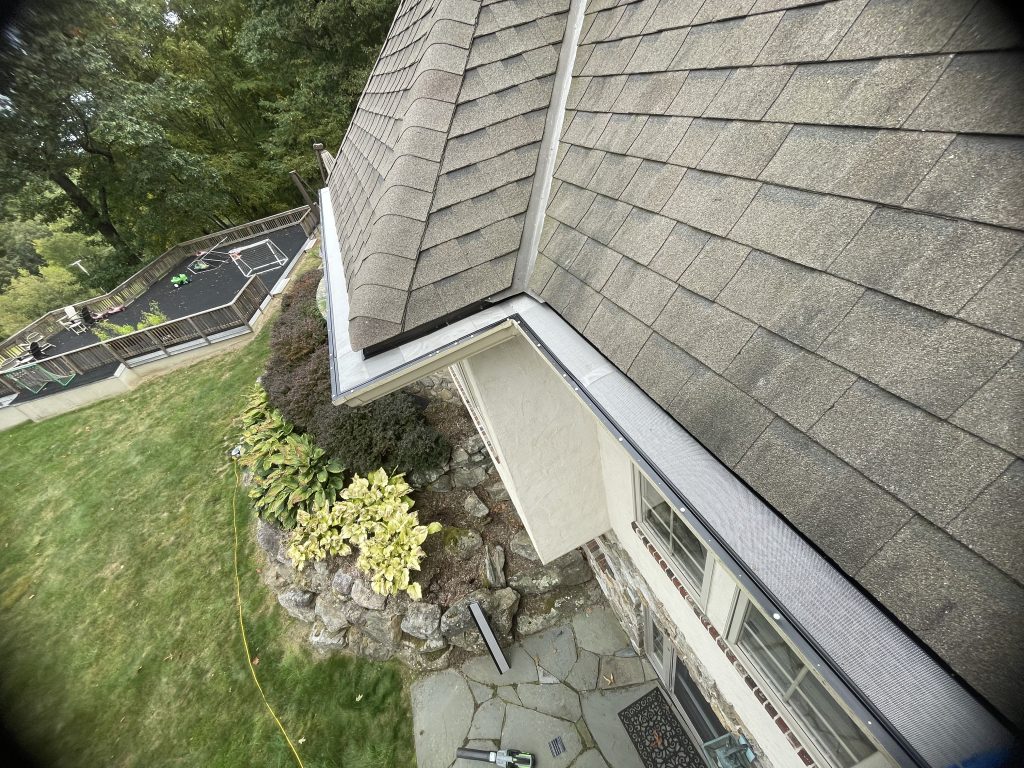
A gutter system does a quiet, unglamorous job that most homeowners barely notice until something goes wrong. When it is working, water moves off the roof, into the gutters, down the downspouts, and away from the foundation with very little drama. When it is clogged, that same water spills over the edge, soaks fascia boards, stains siding, erodes flower beds, and finds its way into places it was never meant to go.
That is why Gutter Cleaning Hackettstown is not a cosmetic chore. It is basic property maintenance with real consequences for the roofline, the structure below it, and the land surrounding the house. In a place like Hackettstown, where homes see spring pollen, summer storms, falling leaves, and winter freeze-thaw cycles, gutters take a seasonal beating. Small clogs become heavy mats of debris. Slight sagging turns into standing water. A neglected downspout can send gallons of runoff right against the foundation.
Homeowners often assume they can wait until they see overflowing water before acting. By then, the system has usually been struggling for a while. The better approach is to understand how gutters fail, what local conditions do to them, and how regular service helps avoid expensive repairs later.
Why clogged gutters create bigger problems than most people expect
A surprising number of moisture issues start at the roof edge. Not because the roof itself is defective, but because water has lost its intended path. When leaves, seed pods, pine needles, and roof grit collect in the trough, the gutter stops behaving like a channel and starts behaving like a planter box. Water pools, debris compacts, and extra weight pulls on the hangers.
On a dry day, that buildup may not look serious. During a strong rain, the picture changes fast. Water overshoots the gutter, runs behind it, or spills from the lowest point. If the gutter is backed up near a valley or a roof transition, the volume can be even greater. That is where you begin to see paint peeling from trim, mildew on siding, or wet soil packed hard along the foundation wall.
In colder months, trapped water creates another layer of trouble. It freezes, expands, and stresses seams and brackets. Ice can force water back toward the roof edge, where it may work under shingles and dampen the sheathing. Even if the damage is not visible right away, repeated freeze-thaw cycles shorten the life of the drainage system.
I have seen homes where the original complaint was simple, usually something like a drip over the front porch or water splashing onto a walkway. Once the gutters were cleaned, the deeper issue became obvious. A downspout had been blocked for so long that the runoff had carved a trench through the mulch and settled against the foundation corner. Another house had stains on the brick that the owner thought came from roof aging, but the real culprit was years of overflow carrying dirty water down the wall.
Gutters fail gradually until they fail all at once. That is what makes regular maintenance so valuable.
What makes Hackettstown homes especially vulnerable
Hackettstown has the kind of seasonal pattern that exposes every weakness in a gutter system. Mature trees are one factor. In neighborhoods with maples, oaks, and pines, gutters can fill much faster than homeowners expect, especially when wind drives debris into corners and around downspout openings. Pine needles are particularly tricky because they tangle, compress, and slide into places where a quick rinse will not remove them.
Then there is the weather. A gentle rain might not reveal a partial blockage, but a hard summer storm will. New Jersey also gets those stretches where one storm follows another before debris has a chance to dry out. Wet leaves are heavier, harder to remove, and much more likely to clog the system tightly.
Winter adds its own pressure. Even a small amount of standing water left in a sagging section can turn to ice. Gutters are not designed to hold that weight for long. Once fasteners https://martinbczz213.fotosdefrases.com/gutter-cleaning-hackettstown-protecting-your-home-from-seasonal-debris begin to loosen, pitch changes, and water no longer flows correctly toward the outlets. That is why Gutter Cleaning Hackettstown should be viewed as a year-round maintenance issue rather than a one-time fall task.
Roof style matters too. Steeper roofs shed water faster. Valleys concentrate runoff. Long gutter runs need correct pitch to move water efficiently, and larger homes may depend on several downspouts working properly at once. A clog in one area can overload an entirely different section.
The signs your gutter system is asking for attention
Sometimes the warning signs are obvious. Overflow during rain is the classic one. Other clues are easier to miss because they show up away from the gutter itself. If soil is washing out near the house, if basement dampness appears after storms, or if there are dark streaks on siding below the roof edge, the drainage system deserves a close look.
A few symptoms come up again and again:
- Water spilling over the gutter edge during rain
- Plants or weeds growing out of the gutter trough
- Loose spikes, sagging sections, or separated joints
- Staining on siding, soffits, or fascia boards
- Puddling near the foundation after storms
Even one of these signs can justify service. A homeowner may notice only the overflow, but the system often tells a broader story. Sagging suggests excess weight or failing supports. Stains suggest long-term overflow, not a one-time storm. Weeds growing in a gutter mean the debris has been sitting there long enough to hold moisture and support root growth, which is never a good sign.
There is also the mosquito factor in warmer months. Standing water in clogged gutters becomes a breeding spot quickly. Homeowners usually focus on the nuisance of bugs in the yard, but the source can be right above their heads.
What proper gutter cleaning actually involves
A thorough cleaning is more than scooping out leaves. The visible debris is just the start. The real purpose is to restore full water movement from one end of the system to the other and to catch early signs of wear while they are still manageable.
The debris must be removed by hand or with appropriate tools, especially where material has compacted into a dense layer. After that, the downspouts need to be checked and flushed. Many blockages hide at elbows or at the connection where the outlet meets the vertical run. If water cannot move freely there, the cleaned gutter above will simply fill up again in the next storm.
Rinsing the system also helps expose pitch problems. If water pools in one section instead of moving cleanly toward the downspout, the gutter may need adjustment. Cleaning is often the moment when homeowners discover issues with hanger spacing, seam leaks, end cap failure, or sections that have pulled slightly away from the fascia.
This is one reason experienced service matters. A rushed cleaning may remove leaves and leave the homeowner thinking the job is done, while the true problem remains. A good technician pays attention to flow, attachment points, and discharge. If the downspout empties too close to the home, that should be addressed. If runoff is collecting at a walkway or driveway edge, an extension or redirection may be needed.
How often should gutters be cleaned in Hackettstown?
There is no universal schedule that fits every house. Tree cover, roof design, weather exposure, and gutter size all affect timing. Still, most homes in Hackettstown benefit from at least two cleanings per year, typically once in spring and once in late fall. Homes under heavy tree canopy may need more frequent service, especially if pine needles or helicopter seeds are a recurring issue.
A practical rule is to let the property tell you what it needs. If the gutters were full again only a few months after the last service, the schedule is too loose. If there is very little buildup after six months, the home may not need extra visits. The right frequency comes from observation, not guesswork.
For many homeowners, this rough schedule works well:
- Early spring, to clear winter buildup and check for ice damage
- Late spring or early summer, if seed pods and blossoms collect heavily
- Early fall, for homes surrounded by trees that shed early
- Late fall, after the bulk of leaves have dropped
- After major storms, if branches or roof debris are visible
That last point matters more than people think. A single storm can change the condition of a gutter system overnight. Twigs, shingle granules, and broken leaves often pack tightly at downspout openings. Even if the gutters were cleaned recently, storm debris can create a fresh obstruction.
The risks of putting it off one more season
Home maintenance is full of jobs that can be delayed without much penalty. Gutter cleaning is not usually one of them. The costs of neglect often show up in parts of the home that are far more expensive to repair than the gutters themselves.
Fascia and soffit repairs are common once gutters start overflowing behind the trough. Wood rot can spread quietly because it begins in shaded, hard-to-see areas. Foundation concerns take longer to develop, but chronic water discharge near the house is never a good arrangement. Over time, it can contribute to settlement issues, basement seepage, or cracked hardscape around entryways.
Landscape damage is another cost homeowners tend to underestimate. A healthy mulch bed can absorb some runoff, but concentrated overflow will trench it out, expose roots, and flatten plantings. I have seen carefully maintained front beds ruined because one clogged gutter turned every rainfall into a miniature waterfall at the same corner of the home.
There is also the issue of roof edge wear. When water backs up, the trim, drip edge, and lower roof materials stay wet longer than they should. That repeated moisture exposure accelerates deterioration. On some homes, the first visible sign is a line of black staining. On others, paint begins to bubble or peel.
Delaying service does not just preserve the status quo. It usually allows several small problems to combine into one larger repair.
Should you do it yourself or hire a professional?
This depends on the home, the homeowner, and the condition of the system. For a one-story house with easy access, minimal tree cover, and a homeowner comfortable on a stable ladder, basic maintenance may be manageable. Even then, it requires care, proper ladder placement, gloves, eye protection, and attention to footing.
The risk changes quickly with height, roof complexity, and debris volume. Two-story homes, steep grades, slippery surfaces, and long gutter runs raise the stakes. So do clogged downspouts that require more than a simple rinse. The physical removal of debris is only part of the work. Safe access is the larger issue.
Professionals also tend to spot things a homeowner may miss. A slight backward pitch, a seam beginning to separate, or a hidden blockage in an elbow can be easy to overlook from a ladder. When the goal is not merely to clean but to keep the drainage system working properly, experience matters.
A homeowner once told me he cleaned his own gutters every year and still had water pouring over one section by the garage. The issue turned out not to be leaves at all. The gutter had twisted just enough that water was bypassing the front lip during heavy rain. That is not something more scooping would have fixed. It needed adjustment and better support at two hanger points.
Gutter guards can help, but they are not a free pass
Many products promise to eliminate maintenance. Some reduce debris, and some perform well in the right setting. None make gutters maintenance-free. Fine material still accumulates, especially shingle granules, pollen sludge, and small organic matter carried by wind and rain. Certain guards work reasonably well against large leaves but struggle with pine needles. Others shed debris well until they become coated with grime and lose efficiency.
This does not mean guards are a bad investment. On the right home, they can cut down the frequency of heavy cleanouts and reduce the chance of downspout blockages. But they should be chosen based on the type of debris around the house, the roofline design, and how the system handles water volume during storms.
The best approach is realistic. Guards may reduce labor and help control buildup, but they still need inspection. If a homeowner installs them expecting to ignore the gutters for years, disappointment usually follows.
What to look for in a Gutter Cleaning Hackettstown service
Homeowners do not need a dramatic sales pitch. They need competent work, clear communication, and someone who understands how local conditions affect drainage systems. A reliable service should explain what was found, whether the downspouts were fully cleared, and if any repairs are recommended. Photos can be helpful, especially on taller homes where the owner cannot easily inspect the results.
It is also worth asking whether the service includes debris removal from the property, not just from the gutter. Leaving wet piles on walkways or flower beds is sloppy and often creates another cleanup job for the homeowner.
A good contractor will also be honest about the system itself. Some problems are not cleaning issues. Undersized gutters, poor downspout placement, or incorrect pitch may require correction if the home repeatedly overflows despite regular maintenance. That kind of judgment is valuable because it prevents the homeowner from paying for the same cleaning over and over while the true cause goes unresolved.
Small maintenance habits that make a difference between cleanings
Homeowners cannot control the weather or stop leaves from falling, but a few simple habits help the system perform better between service visits. Trimming branches back from the roof reduces direct debris drop and limits abrasion from limbs rubbing in the wind. Watching how water behaves during one strong storm each season is also useful. You can learn more from ten minutes in the rain than from staring at a dry gutter from the driveway.
If a downspout extension has been knocked loose by lawn work or foot traffic, reconnecting it promptly matters. Water discharged a few feet too close to the foundation can undo the benefits of an otherwise clean system. Keeping nearby drains and splash blocks clear helps as well, since gutter performance does not end at the elbow. The runoff has to go somewhere safe.
It is also wise to pay attention after roof work, siding replacement, or tree trimming. Contractors sometimes leave behind nails, shingle scraps, sawdust, or small branches that wash into gutters during the next rain.
Protecting the whole house starts at the roof edge
Gutters rarely get much appreciation because they do not add visible beauty or comfort to a home. Yet they protect some of the most expensive parts of the property, including the roofline, siding, foundation, and landscaping. That protection depends on one simple thing: clear, reliable flow.
For homeowners who want to avoid surprise leaks, stained walls, rotten trim, and water pooling where it should not, regular Gutter Cleaning Hackettstown is one of the most practical services available. It is not complicated, but it does require consistency and an understanding of how local weather and tree cover affect the system over time.
A clean gutter does more than look tidy from the curb. It keeps water moving with purpose, away from the house, away from weak points, and away from repair bills that start small and grow fast. In a climate like Hackettstown’s, that kind of routine maintenance is not overkill. It is simply good stewardship of the property.
Just Gutters LLC
Address: 262 Main St, Hackettstown, NJ 07840
Phone number: +12013319454
FAQ About Gutter Cleaning Hackettstown
How much should a gutter clean cost?
Professional gutter cleaning typically costs between $163 and $333, with a national average of around $210 to $250 for a standard-sized home.
What months should you clean gutters?
You should clean your gutters twice a year—once in late autumn (November to December) and once in late spring (April to May).
Is it worth paying for gutter cleaning?
Yes, paying for gutter cleaning is worth it because it prevents thousands of dollars in water damage, roof leaks, and structural repairs.